
Custom T-Shirt Printing 101: A Beginner's Guide to Mastering Small-Quantity Orders

You need one shirt. Maybe five. Not five hundred.
Traditional custom t-shirt printing services require bulk orders. Minimums of 12, 24, or 50 pieces. Setup fees that make single-item orders impractical. Long wait times that stretch into weeks.
This guide covers everything you need to know about no minimum order custom shirts. From printing methods to design prep to placing your first order.
Why Small-Quantity Orders Matter
Small businesses need branded apparel without warehouse storage. Individuals want personalized gifts without leftovers. Event planners need samples before committing to full runs.
Custom t-shirt printing has evolved. The technology exists to print one shirt at the same quality as one thousand.
Common scenarios for small orders:
Single custom gift for a birthday or memorial
Sample run before a large event order
Small business owner testing designs
Family reunion shirts for 8 people
Startup team of 3 needing branded gear
Content creator merchandise in limited quantities
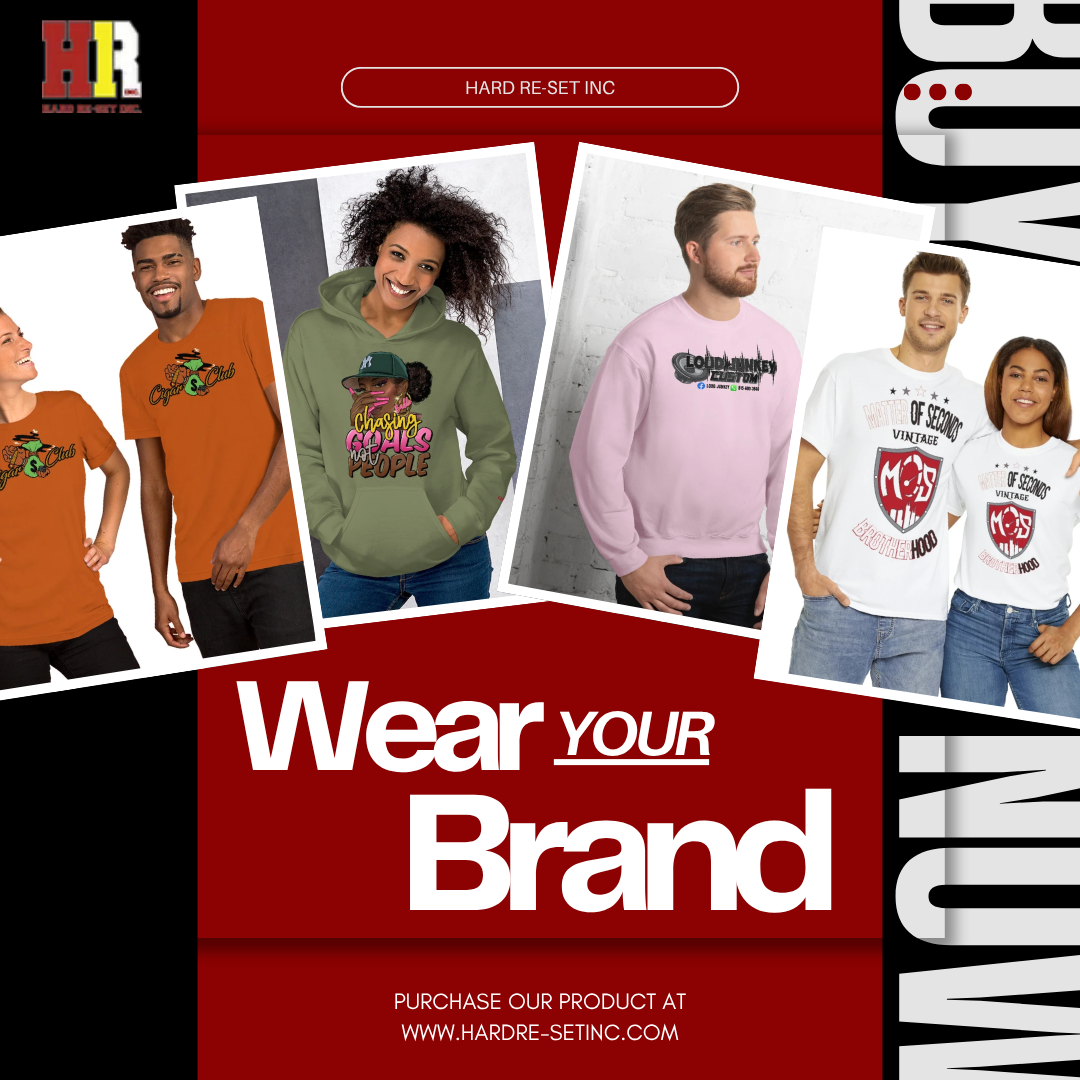
Printing Methods for Small Orders
Not all printing methods work for small quantities. Some require expensive setup. Others need minimum runs to be cost-effective.
Two methods dominate the small-order space.
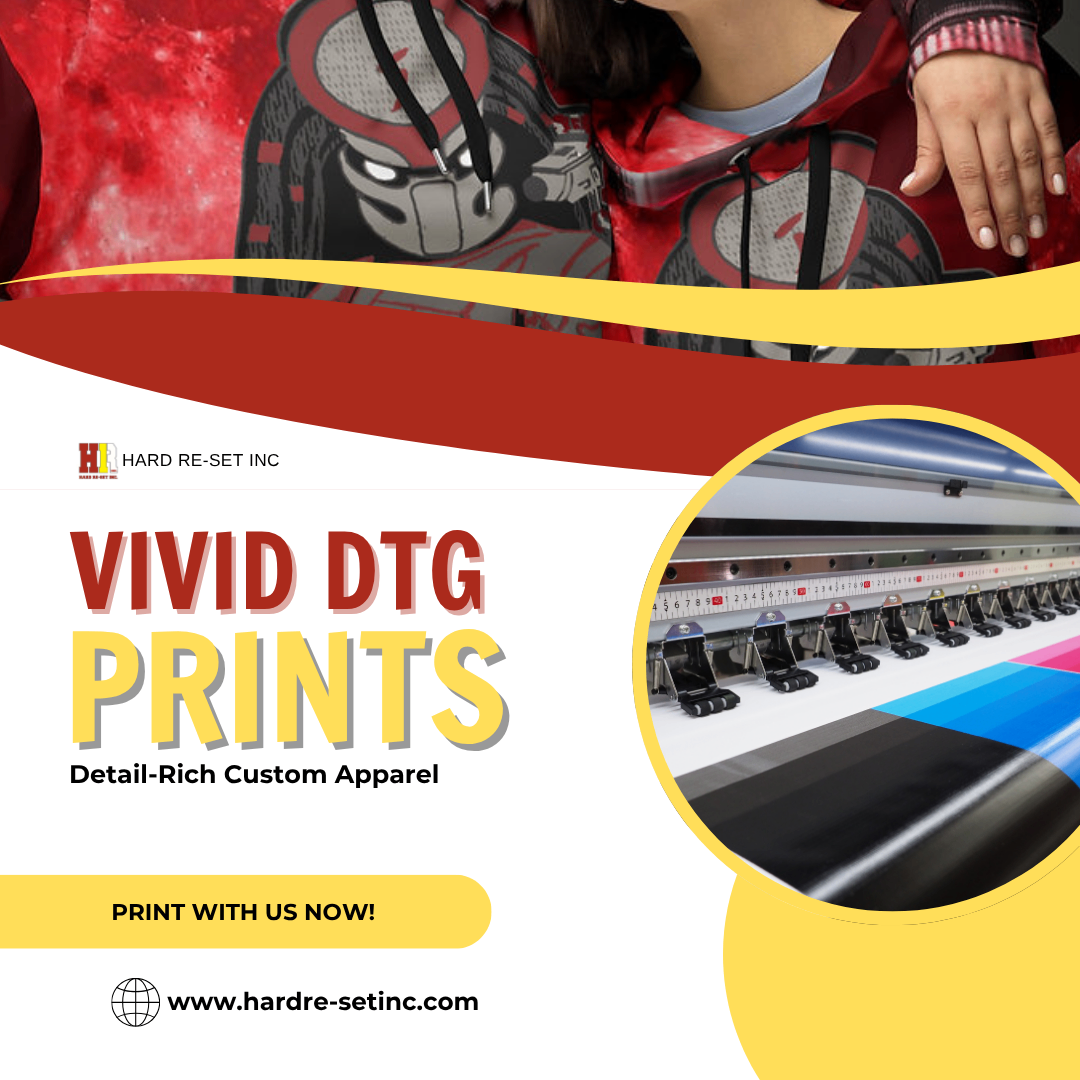
Direct-to-Garment (DTG) Printing
DTG printing uses specialized inkjet technology. Liquid ink sprays directly onto fabric. No screens. No transfers. No setup fees.
Benefits of DTG for small orders:
No minimum order requirements
Full-color prints with unlimited colors
Photographic detail and gradients
Soft hand feel on the fabric
Quick turnaround times
Cost-effective for 1-24 pieces
DTG works best on cotton and cotton-blend fabrics. Light and dark garments both work, though dark garments require a white underbase layer.
Heat Transfer Printing
Heat transfer uses pressure and temperature to bond designs to fabric. A heat press machine applies the transfer to the garment surface.
Benefits of heat transfer:
Works on cotton, polyester, and blends
No minimum quantities
Vibrant colors on dark fabrics
Quick production time
Durable when properly applied
Heat transfer excels with synthetic materials where DTG struggles. Athletic wear, performance fabrics, and polyester blends respond well to this method.
Screen Printing: When It Makes Sense
Screen printing remains the industry standard for bulk orders. Each color requires a separate screen. Setup takes time and costs money.
Screen printing becomes cost-effective around 24+ pieces of the same design. For orders under that threshold, DTG or heat transfer deliver better value.
At Hard Re-Set Inc., we offer both DTG and silk screen printing with no minimums and no setup fees.
Design Preparation
Your design file determines your print quality. Start right.
Resolution Requirements
Print resolution: 300 DPI minimum. Lower resolution creates pixelated, blurry results.
File formats:
Vector files (.ai, .eps, .svg) scale infinitely
Raster files (.png, .jpg) must meet resolution requirements
PNG files with transparent backgrounds work best for most applications
Design Tools
Professional options:
Adobe Illustrator
CorelDRAW
Adobe Photoshop
Free alternatives:
Canva (beginner-friendly)
Inkscape (vector graphics)
GIMP (raster editing)
Color Considerations
RGB colors on your screen differ from printed CMYK colors. Expect slight variations between monitor display and final product.
Tips for color accuracy:
Request a sample before large orders
Use solid colors when precision matters
Provide Pantone color codes for exact matching
Consider garment color when selecting design colors
Light designs pop on dark shirts. Dark designs work on light shirts. High contrast creates visibility.
Fabric and Garment Selection
The garment matters as much as the print.
Cotton
Cotton accepts DTG ink exceptionally well. Ring-spun cotton provides the softest feel. Standard cotton offers durability at lower cost.
Best for: Everyday wear, promotional items, casual apparel
Cotton-Polyester Blends
Blends combine cotton's printability with polyester's durability. Common ratios include 50/50 and 60/40 cotton-poly.
Best for: Active wear, work uniforms, budget-conscious orders
100% Polyester
Polyester requires heat transfer or sublimation printing. DTG ink does not bond properly to synthetic fibers.
Best for: Athletic jerseys, moisture-wicking performance wear, sportswear
Garment Weight
Fabric weight is measured in ounces per square yard.
Lightweight (4.5 oz): Summer wear, promotional giveaways
Midweight (5.3-6.0 oz): Standard t-shirts, everyday use
Heavyweight (6.1+ oz): Premium feel, durability
The Printing Process Step by Step
Understanding the process helps set expectations.
Step 1: Design Submission
Upload your design file. Specify placement (front, back, sleeve, pocket). Select garment style, size, and color.
Step 2: Design Review
A proof or mockup shows how your design appears on the garment. Review placement, size, and color representation.
Step 3: Pretreatment (DTG Only)
Dark garments require pretreatment solution. This liquid allows white ink to bond and creates a smooth printing surface.
Step 4: Printing
The garment loads into the printer or positions under the heat press. The machine applies the design.
Step 5: Curing
Heat sets the ink permanently. DTG prints cure at approximately 320-330°F. Heat transfers bond at 365°F with medium-firm pressure for 4-6 seconds.
Step 6: Quality Check
Each piece undergoes inspection. Color accuracy, placement, and print integrity get verified before packaging.
Tips for First-Time Buyers
Order a sample first. Review these elements:
Fabric quality and feel
Color accuracy compared to your design file
Print placement and sizing
Durability after washing
Wash samples inside-out in cold water. Tumble dry low or hang dry. Check for cracking, fading, or peeling after 3-5 washes.
Quick Turnaround: What to Expect
Standard custom t-shirt printing takes 2-3 weeks at most providers. Rush orders cost extra.
Fast turnaround providers deliver in days, not weeks. Production time depends on:
Order quantity
Printing method
Design complexity
Current production queue
At Hard Re-Set Inc., quick turnaround comes standard. No waiting weeks for a single shirt.
Common Mistakes to Avoid
Low-resolution images. The number one quality killer. Always start with 300 DPI.
Wrong file format. Vector for screen printing. High-res PNG for DTG.
Ignoring garment color. Dark design on dark shirt equals invisible design.
Skipping the sample. One test print saves headaches on larger orders.
Ordering without checking sizing. Request size charts. Measure garments you own for comparison.
Why No Minimum Orders Matter
Bulk requirements exclude individuals. They exclude small businesses testing concepts. They exclude anyone who needs five shirts instead of fifty.
No minimum order custom shirts open custom printing to everyone:
The startup founder ordering team shirts
The grandparent creating a memorial tribute
The small business testing branded merchandise
The event planner ordering samples
The artist selling limited-edition designs
Browse products and place your order at Hard Re-Set Inc.
Getting Started
Custom t-shirt printing requires three things: a design, a garment selection, and a printer who accepts small quantities.
You have the design knowledge. You understand the printing methods. You know what to look for in garment selection.
Hard Re-Set Inc. offers DTG and silk screen printing with no minimums and no setup fees. Quick turnaround. Personalized service.
Visit the FAQ page for additional questions. Check shipping and returns for delivery information.
One shirt or one hundred. The process starts the same way.
Comments