
DTF vs DTG for Small Runs: Which Printing Method is Right for Your Next Project?
- Janet Emma
- Mar 4
- 3 min read

Small-run custom printing projects require the right method. DTF and DTG both work for low-quantity orders. Each offers distinct advantages.
DTF transfers designs from film to fabric. DTG prints directly onto garments. Both eliminate minimum order requirements. Both produce quality results for small batches.
What is DTF Printing?
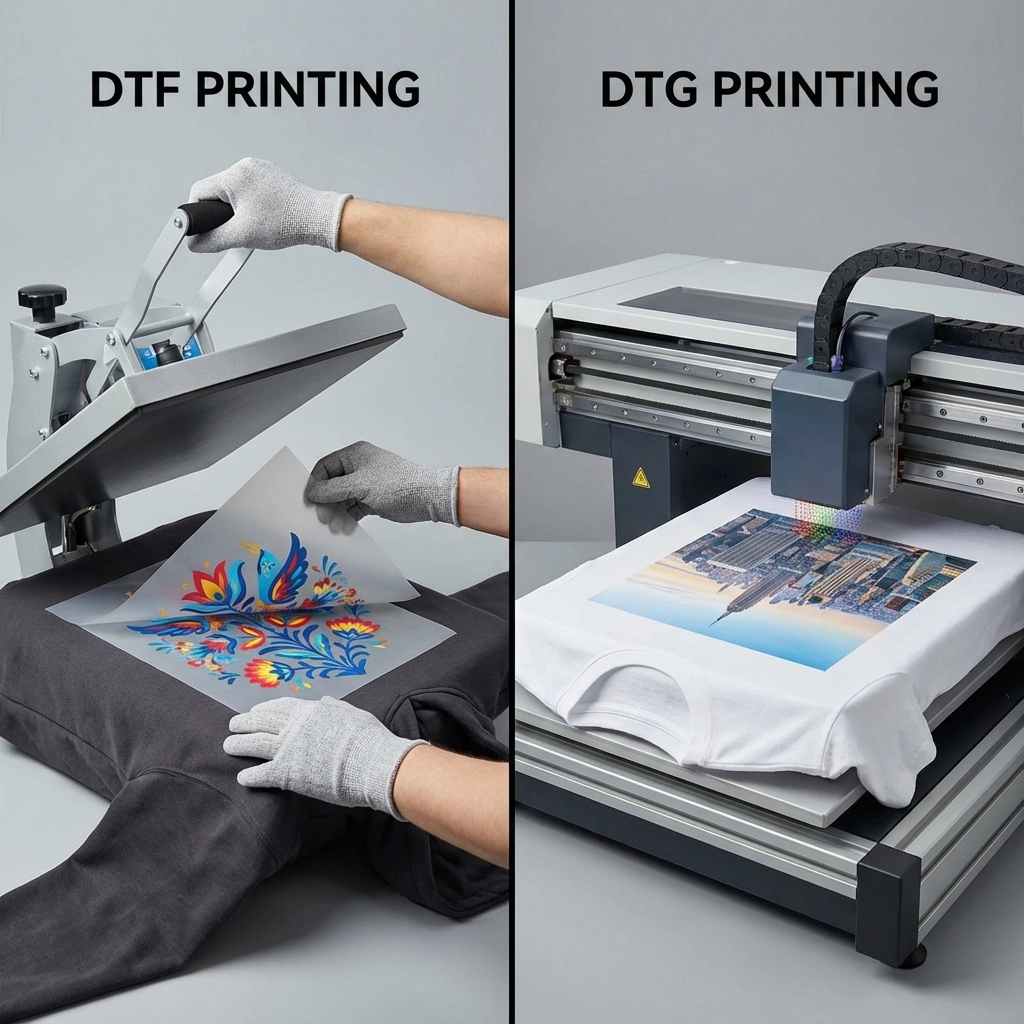
Direct-to-Film printing creates designs on special transfer film. Heat and pressure apply the design to fabric. Works on cotton, polyester, blends, and synthetic materials.
The process involves printing, powder application, curing, and heat transfer. More steps than DTG. Greater fabric versatility.
What is DTG Printing?
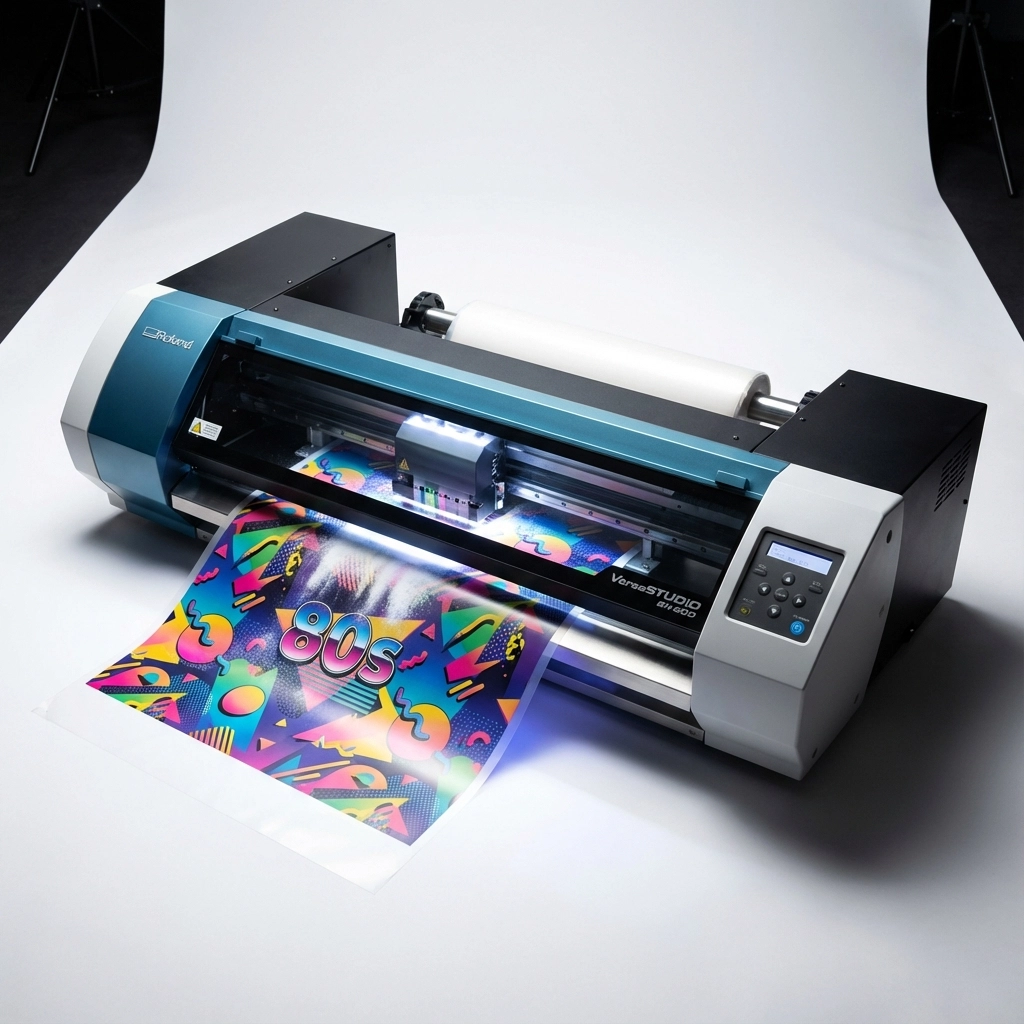
Direct-to-Garment printing applies water-based inks directly to fabric. Functions like an inkjet printer for clothing. Excels on cotton and cotton blends.
Minimal setup required. Quick turnaround possible. Soft hand feel on finished products.
Fabric Compatibility Differences
DTF works on multiple fabric types:
100% cotton
Polyester
Cotton-polyester blends
Synthetic materials
Dark and light fabrics
DTG performs best on:
100% cotton
Cotton blends with high cotton content
Light-colored garments (better ink absorption)
Natural fiber fabrics
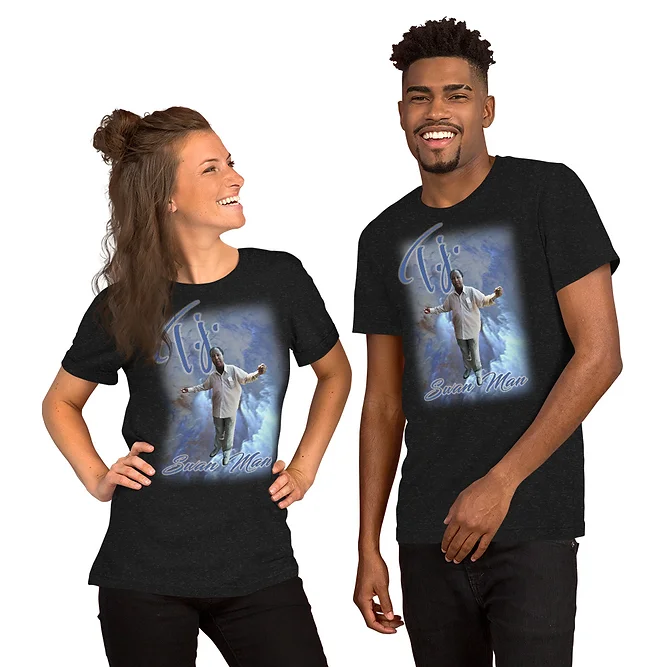
Polyester and synthetic fabrics absorb DTG inks poorly. Water-based inks require natural fibers for proper adhesion.
Setup and Workflow Requirements
DTG workflow:
Load garment onto printer
Apply pretreatment (dark garments only)
Print design directly
Heat cure for 2-3 minutes
Final press
DTF workflow:
Print design on transfer film
Apply adhesive powder
Cure powder with heat
Store transfers (can be saved for later)
Heat press onto garment
DTG offers faster setup for immediate printing. DTF allows batch preparation and storage.
Print Quality and Feel Comparison
DTG produces photo-quality prints. Excellent detail reproduction. Soft hand feel blends with fabric texture. No vinyl-like thickness.
DTF delivers vibrant colors and sharp details. Slightly thicker feel than DTG. May feel vinyl-like on some fabrics. Glossier finish possible.
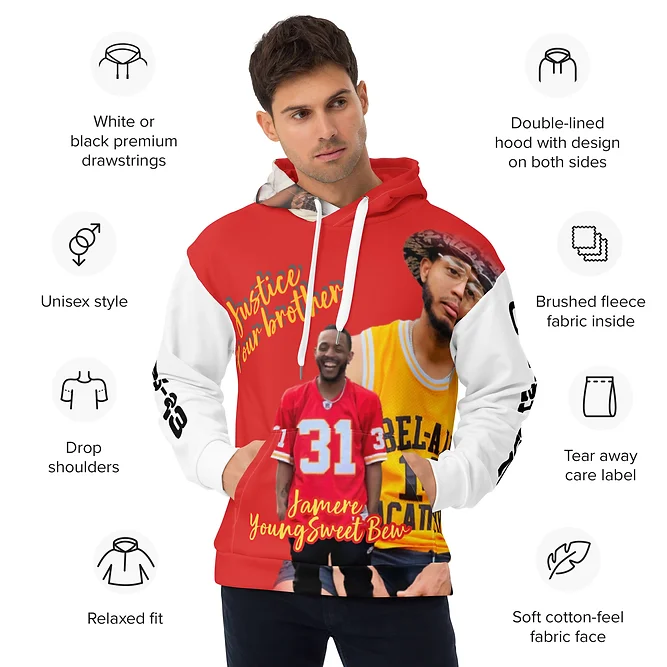
Both methods handle complex designs well. DTG excels at photographic images. DTF performs better with solid colors and graphics.
Durability and Wash Resistance
DTF prints last longer through repeated washing. Adhesive bonds create stronger attachment to fabric. Better resistance to cracking and fading.
DTG prints integrate into fabric fibers. Softer but potentially less durable. May fade faster with heavy washing.
Wash test results favor DTF for longevity. DTG prioritizes comfort over maximum durability.
Cost Considerations for Small Runs
DTF equipment costs less initially. Transfer materials add per-unit expense. Batch production reduces labor costs.
DTG requires higher equipment investment. Ink costs vary by coverage area. Pretreatment adds material expense.
For orders under 12 pieces, both methods offer similar pricing. Volume increases favor DTF efficiency.
When to Choose DTG
Select DTG for these scenarios:
100% cotton garments only
Photographic or highly detailed designs
Softest possible hand feel required
Quick turnaround needed
Minimal learning curve preferred
On-demand printing workflow
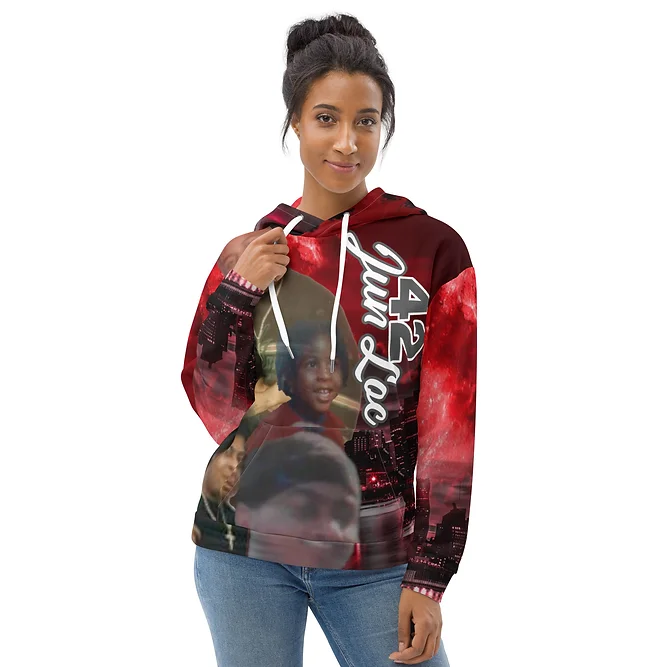
DTG works best for cotton-based apparel with complex artwork. Ideal for custom photo prints and detailed graphics requiring soft texture.
When to Choose DTF
Select DTF for these applications:
Mixed fabric types in same order
Polyester or synthetic materials
Maximum durability required
Batch production efficiency
Storage of prepared transfers
Consistent color matching needed
DTF handles diverse fabric requirements. Better for orders mixing cotton and polyester items.
Production Workflow Differences
DTG suits on-demand production. Print as orders arrive. No inventory of prepared transfers needed.
DTF enables batch preparation. Create transfers in advance. Apply to garments when needed. Reduces rush order stress.
Consider your typical order patterns. Sporadic orders favor DTG flexibility. Regular volume orders benefit from DTF batch efficiency.
Quality Control Factors
DTG requires fabric pretreatment consistency. Dark garments need even application. Curing temperature affects print quality.
DTF demands powder application precision. Uneven powder creates quality issues. Transfer temperature and pressure need consistency.
Both methods require operator training. DTG has shorter learning curve. DTF needs more process control attention.
Making Your Decision
Evaluate these factors for your project:
Fabric Type: Mixed materials require DTF. Cotton-only orders suit DTG.
Design Complexity: Photo-realistic images favor DTG. Graphics and text work well with both.
Durability Needs: Heavy-use items benefit from DTF durability.
Production Timeline: Immediate orders suit DTG speed. Planned production favors DTF batching.
Hand Feel Priority: Soft texture requires DTG. Durability over softness suggests DTF.
Order Frequency: Regular orders benefit from DTF preparation. Sporadic orders suit DTG flexibility.
Professional Results from Both Methods
Hard Re-Set Inc. offers both DTF and DTG services. No minimum orders required. Professional equipment ensures consistent quality.
Our team evaluates each project individually. Fabric type, design complexity, and timeline determine the best method. Customer requirements guide the selection process.
Both printing methods deliver professional results for small runs. The choice depends on your specific project requirements. Consider fabric compatibility, durability needs, and production workflow when deciding.
Contact Hard Re-Set Inc. for personalized consultation on your next small-run printing project. Our experience with both DTF and DTG ensures optimal results for your custom apparel needs.
Comments