
DTG vs. DTF: The Ultimate Guide to Choosing the Right Print Method for Your Brand

Choosing between Direct-to-Garment (DTG) and Direct-to-Film (DTF) is a technical decision based on fabric composition, design complexity, and desired hand-feel. In 2026, custom apparel printing has evolved, but the fundamental physics of ink application remains consistent. Hard Re-Set Inc. provides both services to ensure the technical requirements of your project are met without compromise. This guide outlines the objective differences to facilitate an informed selection for your brand.
Direct-to-Garment (DTG) Printing Technology
DTG printing services function similarly to an inkjet office printer but utilize specialized textile inks. The process involves applying water-based pigment directly onto the fabric fibers.
Technical Process of DTG
Pretreatment: For dark garments, a liquid solution is applied to the fabric to prevent ink absorption and ensure color vibrancy.
Printing: The garment is loaded onto a platen, and the print head moves across the surface, depositing CMYK and White ink.
Curing: The ink is set using a heat press or conveyor dryer to bond the pigment to the fibers.
Best Use Cases for DTG
Fabric: 100% Cotton is the standard. High-quality cotton provides the best surface for ink absorption.
Detail: Photographic prints, complex gradients, and fine lines.
Feel: Soft-hand finish. The ink becomes part of the fabric rather than sitting on top.
Quantity: Efficient for small runs and "No Minimum" orders.

Action Required: View our professional portfolio of DTG projects here: https://www.hardre-setinc.com/view-our-work
Direct-to-Film (DTF) Transfer Technology
DTF transfers involve a hybrid process where the design is printed onto a clear PET film before being transferred to the final garment.
Technical Process of DTF
Printing to Film: The design is printed in reverse onto a specialty film using CMYK and White ink.
Adhesive Application: A hot-melt adhesive powder is applied to the wet ink.
Curing the Film: The film is heated to melt the adhesive powder into a glue layer.
Heat Transfer: The cured film is pressed onto the garment using high pressure and heat.
Best Use Cases for DTF
Fabric Versatility: Works on polyester, nylon, synthetic blends, and treated fabrics.
Placement: Ideal for difficult locations like hat bills, tags, or sleeves.
Color Pop: High opacity on dark fabrics without the need for extensive pretreatment.
Durability: High stretch resistance and crack resistance.
Action Required: Order custom DTF transfers or finished products here: https://www.hardre-setinc.com/shop
Direct Comparison: DTG vs. DTF
Feature | Direct-to-Garment (DTG) | Direct-to-Film (DTF) |
Primary Material | 100% Cotton | Synthetic Blends / Polyester |
Hand-Feel | Ultra-soft, breathable | Slightly textured, plastic-like |
Color Vibrancy | Natural, matte finish | Vibrant, high-gloss or matte |
Stretchability | Moderate | High (Elasticity) |
Pretreatment | Required for dark colors | Not required |
Complexity | High (Machine maintenance) | Moderate (Transfer process) |
Best For | Boutique streetwear, soft tees | Activewear, hats, hoodies |
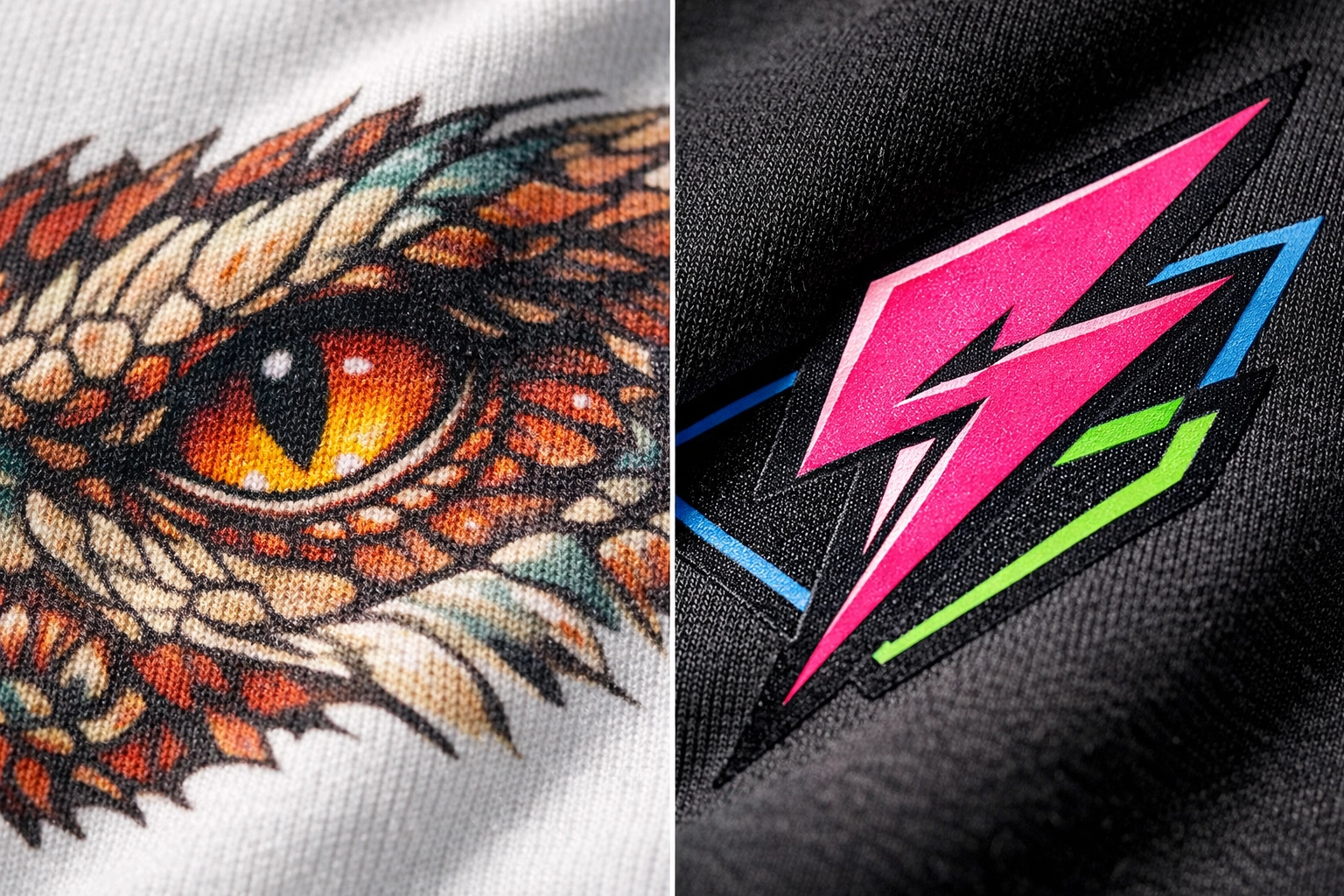
Detailed Analysis of DTG Printing Services
When utilizing DTG printing services at Hard Re-Set Inc., the primary objective is comfort and breathability. Because the ink penetrates the cotton fibers, the garment maintains its natural texture.
Pros of DTG
Unlimited Colors: You are not charged per color as in screen printing.
High Resolution: Capable of printing 1200 DPI or higher for photographic accuracy.
Breathability: The "print area" does not feel like a solid block of plastic, allowing air to pass through the fabric.
Cons of DTG
Material Limitation: Not suitable for 100% polyester or moisture-wicking fabrics.
Wash Wear: Over time, the print may fade slightly as the cotton fibers age, creating a "vintage" look.
Pretreatment Staining: Occasional visible residue from pretreatment (washes out after first cycle).
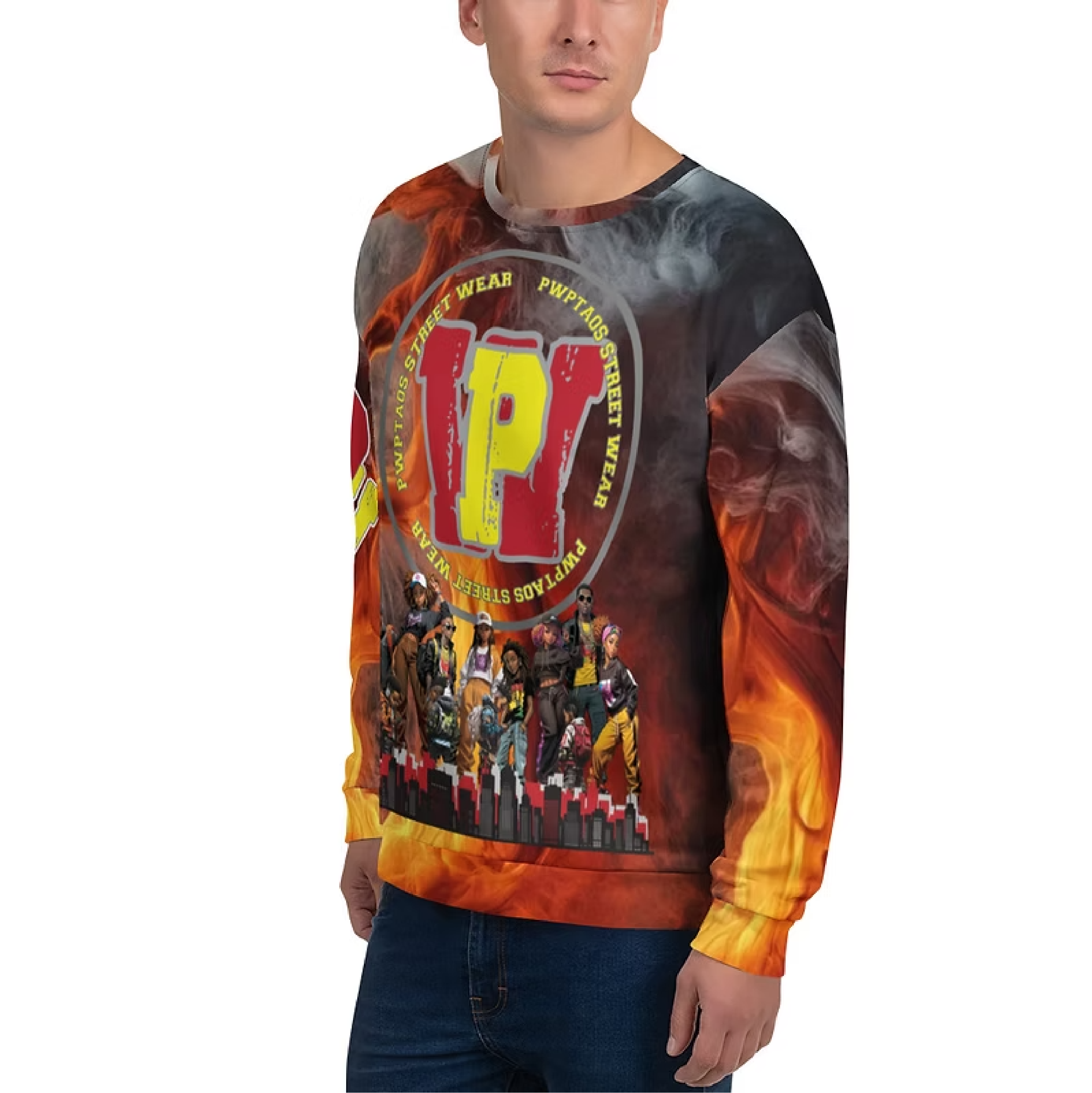
Product Spotlight: See our PWPTAOS Signature Street Wear which utilizes high-detail printing: https://www.hardre-setinc.com/pwptaos-street-wear
Detailed Analysis of DTF Transfers
DTF transfers have revolutionized the industry by allowing high-quality prints on materials that were previously difficult to decorate.
Pros of DTF
Fabric Independence: If you can heat press it, you can print it. This includes performance wear and heavy canvas.
Storage: Transfers can be printed and stored for months, then pressed on demand.
Consistency: The print quality is identical across different garment types.
Opacity: The white underbase in DTF is significantly thicker than DTG, resulting in extremely bright colors on black shirts.
Cons of DTF
Breathability: Large solid designs can create a "sweat patch" effect as air cannot pass through the transfer layer.
Texture: You will feel the print on the shirt. It sits on top of the fibers rather than inside them.
Setup: Requires precise heat press calibration to ensure the adhesive bonds correctly.
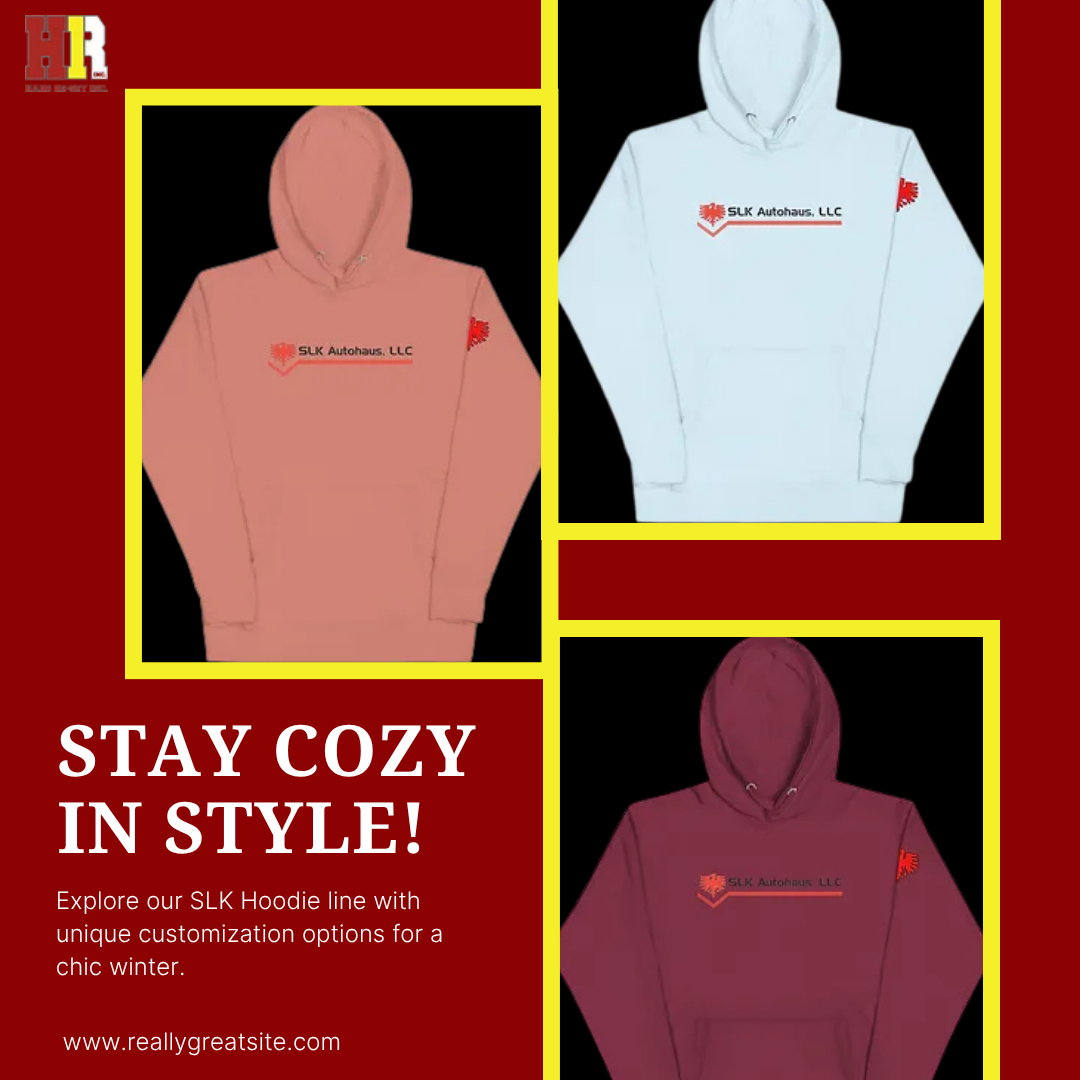
Action Required: Explore our hoodie selection for DTF and DTG applications: https://www.hardre-setinc.com/hoodie-life
The Hard Re-Set Inc. "No Bullsh%" Selection Guide
We do not believe in upselling tech you don't need. Follow this logic to select your method.
Use DTG If:
You are printing on 100% cotton.
You want the shirt to feel soft and high-end.
The design has many soft edges or "faded" transparency.
You are building a boutique brand focused on comfort.
Use DTF If:
You are printing on hoodies with high polyester content.
You are printing on hats or bags.
You want the colors to be as loud and bright as possible.
The apparel will be used for sports or high-movement activities.
Order Now: Start your custom apparel project here: https://www.hardre-setinc.com/browse-products-place-an-order
Durability and Maintenance Standards
Both methods are durable, but they require proper care to maximize the lifespan of the print.
Washing Instructions for Custom Apparel
Turn the garment inside out before washing.
Use cold water only.
Avoid bleach and harsh detergents.
Tumble dry on low heat or hang dry.
Do not iron directly over the printed area.
Failure to follow these instructions will result in premature cracking (DTF) or fading (DTG). Hard Re-Set Inc. uses industrial-grade curing equipment to ensure maximum adhesion before the product reaches the customer.
Action Required: Review our shipping and returns policy for quality assurance details: https://www.hardre-setinc.com/shipping-and-returns
Why Hard Re-Set Inc. Offers Both
Many shops specialize in only one method and try to force every project into that box. This is inefficient. We maintain both DTG and DTF capabilities because your brand deserves the right tool for the job.
For the Streetwear Brand: We recommend DTG on heavyweight cotton blanks like the PWPTAOS Oversized Sweatshirt.
For the Corporate Event: We recommend DTF for consistent logos across various shirt sizes and materials.
For the Athletic Team: We recommend DTF for moisture-wicking jerseys and performance gear.
Action Required: Check out our full product catalog: https://www.hardre-setinc.com/all-products-1
Summary of Action Items
Assess Your Fabric: 100% Cotton = DTG. Blends/Polyester = DTF.
Evaluate Design: Gradients = DTG. Solid/Vibrant = DTF.
Check Placement: Chest/Back = Both. Hats/Sleeves = DTF.
Place Order: Navigate to our shop to begin.
Hard Re-Set Inc. provides professional custom apparel printing with no setup fees and fast turnaround times. Whether you need a single custom hoodie or a bulk order for your business, we apply the correct technology to ensure your brand looks professional.
Navigation Links:
View Our Work: https://www.hardre-setinc.com/view-our-work
Refer a Friend: https://www.hardre-setinc.com/refer-friends
Join Loyalty Program: https://www.hardre-setinc.com/loyalty
Technical Consultation: If you are unsure which method to choose, contact our team through the members portal: https://www.hardre-setinc.com/members
By understanding the technical distinctions between DTG and DTF, you ensure the longevity and quality of your custom apparel. Hard Re-Set Inc. remains committed to delivering high-quality results using the best technology available in 2026.
Comments