
From the Shop to the Street: How to Design All-Over Print Hoodies That Stand Out
- Janet Emma
- Mar 4
- 5 min read

Technical Overview of All-Over Print (AOP)
All-over printing (AOP) is a production method where the design covers the entire surface area of the garment. This includes the front, back, sleeves, and hood. Unlike standard heat transfer or small-scale screen printing, AOP utilizes the full canvas of the fabric.
Hard Re-Set Inc. focuses on providing high-durability apparel that functions in the shop and transitions to the street. To achieve this, understanding the mechanics of the print is required.
Primary Methods of Production
Dye Sublimation: This process uses heat to turn ink into a gas, which then bonds with polyester fibers. The result is a print that will not crack, peel, or wash out. It is the industry standard for full-coverage hoodies.
Cut-and-Sew: The design is printed onto raw fabric rolls first. The panels (front, back, sleeves) are then cut out and sewn together. This ensures the design reaches every edge.
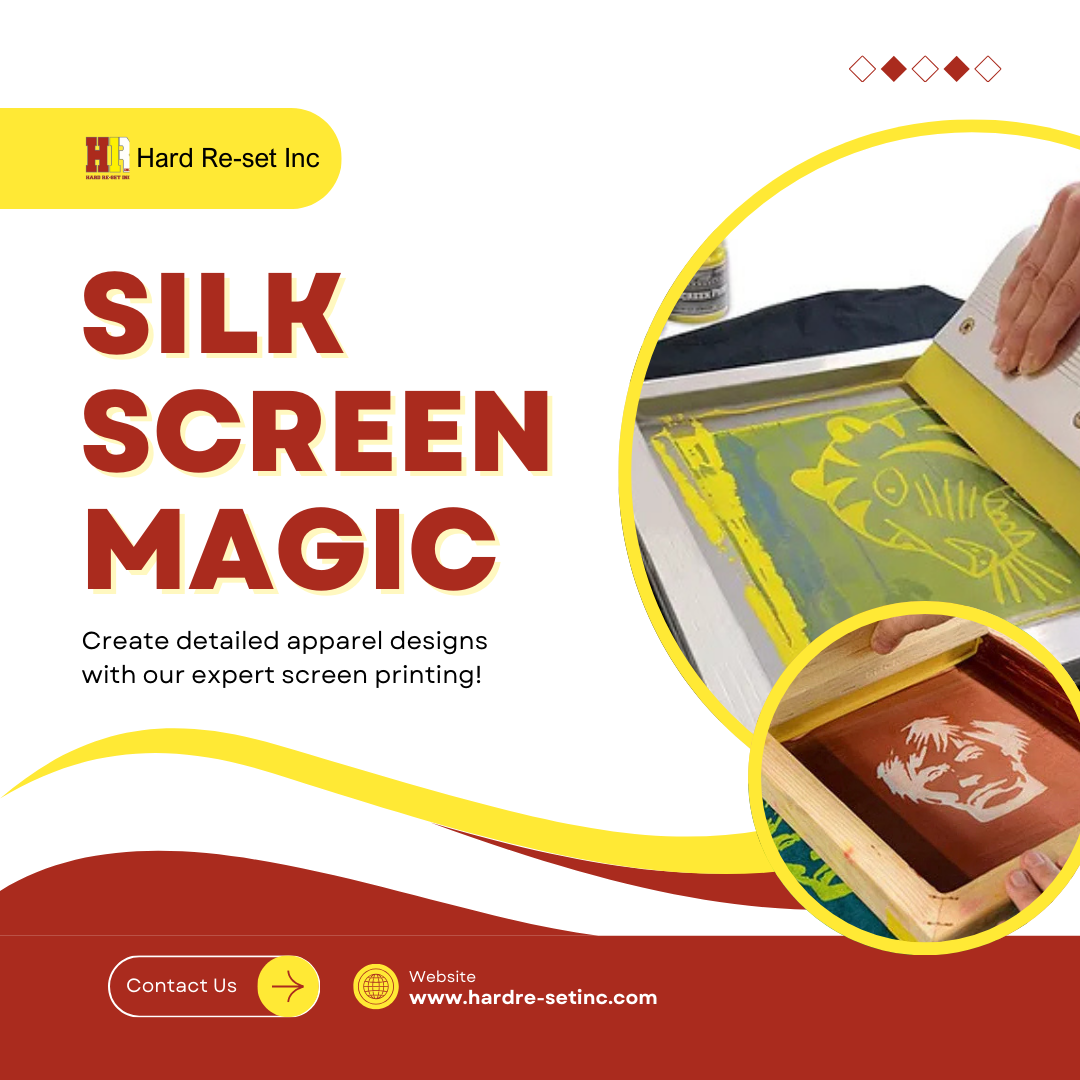
Large-Scale Screen Printing: High-tension screens are used to cover a wide area. This is less common for full 360-degree coverage but effective for specific graphic placements.
Visit our services at https://www.hardre-setinc.com to start your project.
Designing for the Builder Mindset
The "shop" aesthetic demands durability and utility. When designing AOP hoodies for a professional or industrial environment, the focus remains on bold, readable graphics and high-contrast colorways.
Design Requirements for Durability
Use high-resolution assets (300 DPI minimum).
Utilize vector files (.AI, .EPS, .PDF) for logos and text.
Select dark base colors to hide grease, dirt, and shop wear.
Avoid intricate details in high-friction areas like the underarms.
Functional Aesthetic Integration
Incorporate brand logos into repeatable patterns.
Use industrial color palettes: black, charcoal, safety orange, and royal blue.
Ensure text is legible from a distance of 10 feet or more.
View our past work at https://www.hardre-setinc.com/view-our-work.
Transitioning to Streetwear
Streetwear requires a departure from strictly functional design. It prioritizes visual impact and brand identity. The "street" side of the hoodie involves more creative freedom with layouts and graphic styles.
Streetwear Design Elements
Asymmetry: Place different graphics on each sleeve.
Over-the-Seam Prints: Run text or images across the zipper or side seams.
Graffiti Influence: Use bold, stylized typography.
Brand Messaging: Use the hood or the back panel for large-scale slogans.
Check out our streetwear-specific line at https://www.hardre-setinc.com/pwptaos-street-wear.
Technical Design Specifications
To ensure the design translates from the computer screen to the physical garment, follow these technical steps.
Using Templates
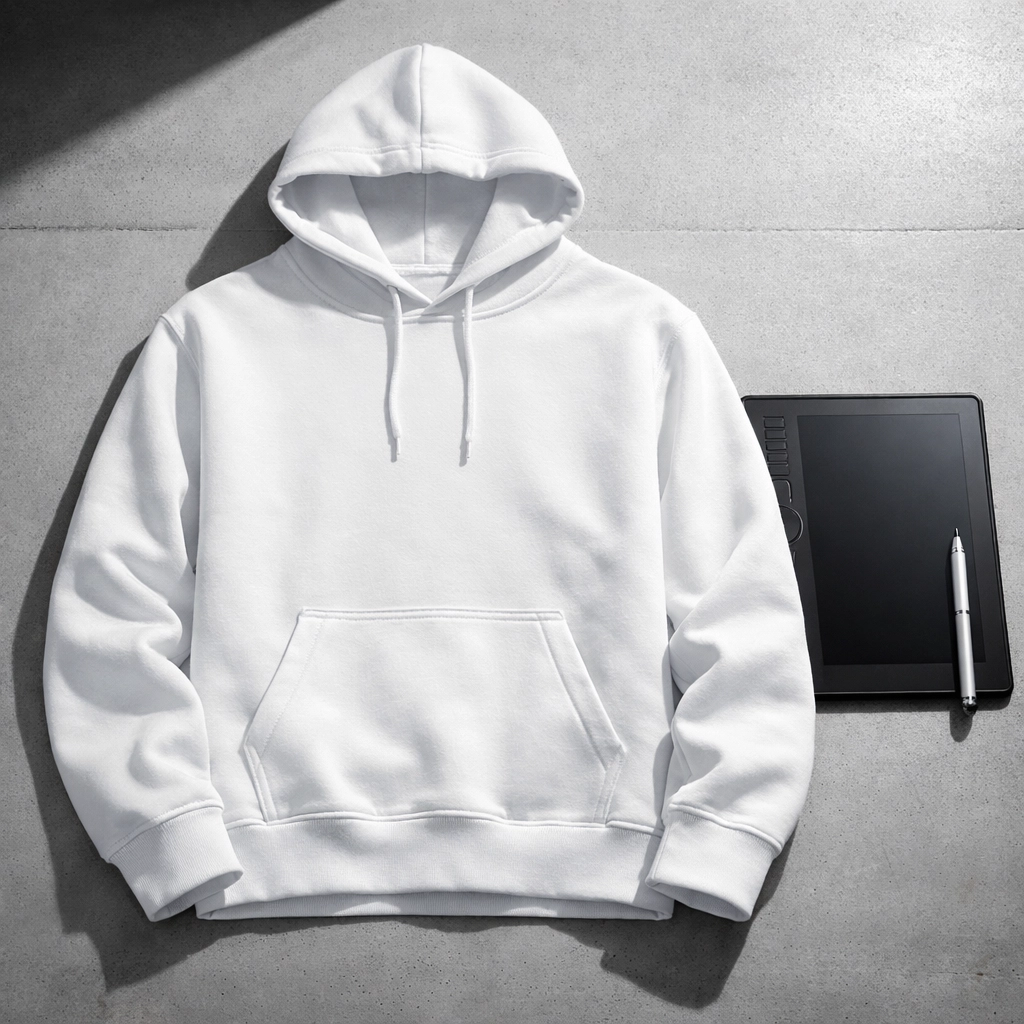
AOP production requires specific manufacturer templates. These templates define the boundaries of each hoodie panel.
Bleed Areas: Extend your design 1–2 inches past the actual cut line to prevent white edges.
Safe Zones: Keep critical text and logos away from the seams.
Stitch Lines: Acknowledge where the fabric will be folded and sewn.
Color Management
Designs should be created in CMYK color mode.
Fluorescent and metallic colors do not translate accurately via standard sublimation.
Black levels should be set to "Rich Black" (C:60 M:40 Y:40 K:100) for maximum depth.
File Preparation Checklist
Verify resolution is at least 300 DPI at actual size.
Flatten all layers before final export.
Outline all fonts to prevent missing typeface errors.
Save files in .TIFF or high-quality .PDF format.
For custom design assistance, contact us at https://www.hardre-setinc.com/contact-7.
Common Production Constraints
All-over printing is not a perfect science. Understanding the limitations prevents dissatisfaction with the final product.
Seam Alignment
Perfect alignment across seams is not guaranteed in cut-and-sew production. Small shifts occur during the sewing process.
Recommendation: Avoid horizontal lines that need to match perfectly from the sleeve to the chest.
Recommendation: Use abstract patterns or "all-over" textures that mask minor misalignments.
Underarm Gaps
In non-cut-and-sew AOP (printing on pre-made blanks), white gaps often occur under the arms or near the seams where the fabric cannot lay flat.
Hard Re-Set Standard: We recommend cut-and-sew methods to eliminate these imperfections.
Fabric Limitations
Sublimation requires a high percentage of polyester.
100% Polyester: Most vibrant colors, moisture-wicking properties.
Poly-Blends: Softer feel, slightly more muted colors.
Cotton: Not compatible with standard AOP sublimation.
Explore our product catalog at https://www.hardre-setinc.com/pages-sitemap.xml.
Material Selection for Shop and Street
The choice of fabric determines the longevity and comfort of the hoodie.
Performance Fleece
Application: Shop environments, outdoor work.
Benefits: Heavy-duty, resistant to piling, retains heat.
Print Quality: High saturation and sharpness.
Standard Poly-Spandex
Application: Streetwear, casual wear.
Benefits: High stretch, lightweight, smooth texture.
Print Quality: Maximum detail retention.
Maximizing Visual Impact
To stand out, your design must be intentional. Randomly placing graphics results in a cluttered look.
The Power of Patterns
Repeatable patterns (monograms or geometric shapes) create a cohesive look across all panels. This is the most effective way to utilize the AOP format.
Focal Points
Identify one primary area for your main graphic (usually the back or center chest) and use the rest of the hoodie to support that focal point with textures or secondary logos.
Typography Placement
Vertical Text: Best suited for sleeves.
Arched Text: Best suited for the upper back.
Small Detail Text: Best suited for the cuff or the edge of the hood.
Review our specific designs like the "Minkey" hoodie here: https://www.hardre-setinc.com/product-page/minkey.
Ordering and Execution
Hard Re-Set Inc. operates with no minimums and no setup fees. The process is direct.
Steps to Order
Download Template: Get the correct panel layout for your size.
Apply Artwork: Position graphics according to safe zones and bleed lines.
Submit File: Send the high-resolution file through our portal.
Review Mockup: Approve the digital proof before production begins.
Production: Printing, cutting, and sewing occur.
Delivery: Fast shipping to your shop or home.
Start your order today at https://www.hardre-setinc.com/pwptaos-street-wear.
Why Hard Re-Set Inc.
We provide professional-grade custom printing. We do not use "off-the-shelf" automated systems that compromise quality. Every all-over print hoodie is handled with a builder’s attention to detail.
No Minimums: Order one hoodie or one hundred.
No Setup Fees: Transparency in pricing is standard.
Fast Turnaround: We move as fast as your business does.
Professional Support: Real people reviewing your designs.
If you have questions about designing your next AOP hoodie, contact us directly: https://www.hardre-setinc.com/contact-7.
Summary of Design Best Practices
Use 300 DPI high-resolution files.
Keep text in safe zones.
Extend backgrounds into bleed areas.
Choose cut-and-sew for 360-degree coverage.
Focus on high-contrast colorways.
Select polyester-based fabrics for sublimation.
For more information on our philosophy and products, visit https://www.hardre-setinc.com/hard-reset.
Browse our full collection of custom gear including the "Bugs" series https://www.hardre-setinc.com/product-page/bugs or the "Sylvester" line https://www.hardre-setinc.com/product-page/sylvester for inspiration on graphic placement and color utilization.
Comments